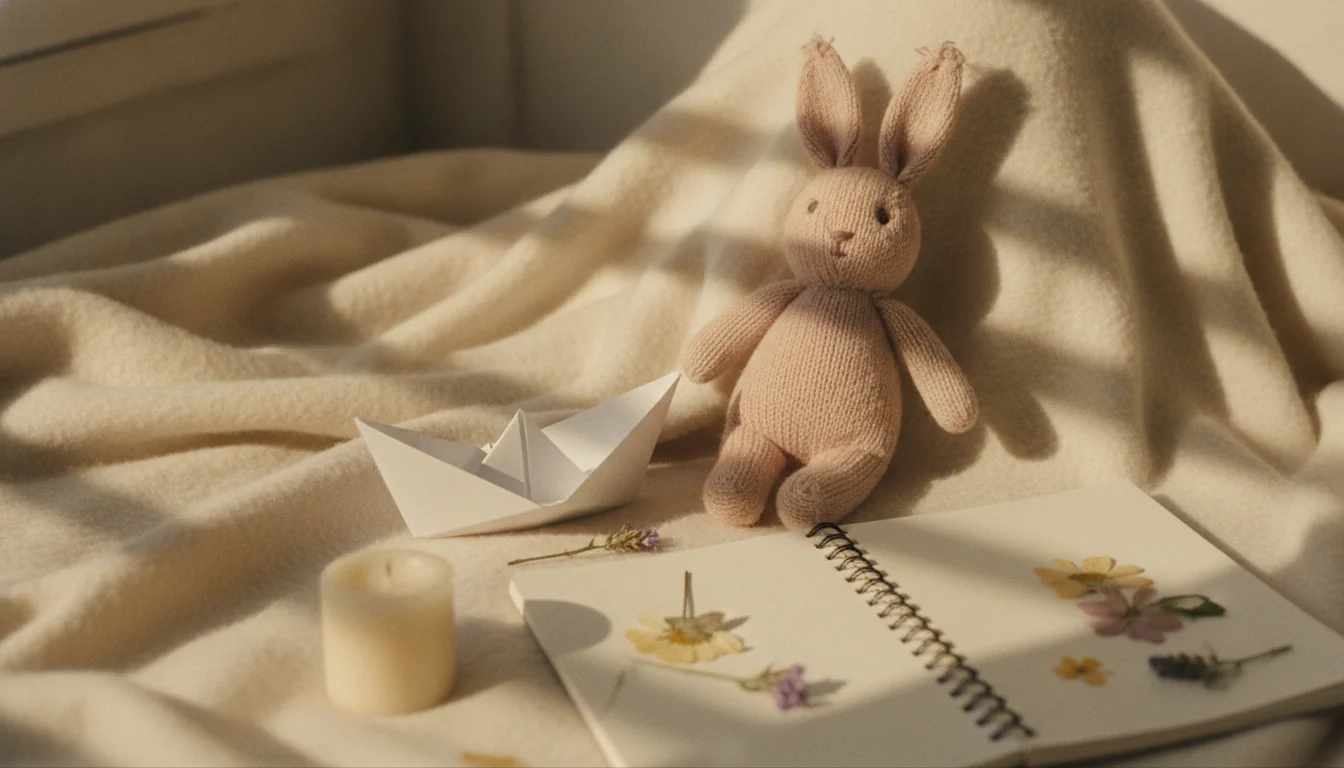
Inner child healing exercises are structured practices — like guided visualization, journaling, mirror work, and reparenting affirmations — that help adults reconnect with the younger version of themselves who experienced unmet needs or emotional wounds. Done consistently, these exercises can reduce anxiety, break repetitive relationship patterns, and build lasting self-compassion.
---
Why Your Inner Child Is Running the Show (And What to Do About It)
That disproportionate meltdown you had when your partner left dishes in the sink? That's probably not about the dishes. Inner child wounds show up as emotional reactions that feel way bigger than the moment calls for — because they're not really about the moment at all.
The "inner child" is a psychological concept describing the part of your psyche that holds memories, emotions, and beliefs formed during childhood — especially around unmet needs. When those needs weren't met (safety, love, validation, play), that younger part of you didn't just disappear. It went underground and started quietly influencing your adult decisions, relationships, and self-talk.
Inner child healing exercises are how you start a conversation with that part of yourself. Think of it less like therapy (though actual therapy is genuinely great and worth pursuing if you can access it) and more like finally returning your younger self's calls.
Here's where to start.
---
The Most Effective Inner Child Healing Exercises You Can Do at Home
Guided visualization is consistently recognized as one of the most powerful entry points for inner child healing work. The basic structure: close your eyes, breathe slowly, and imagine meeting your younger self — maybe at age 5, or whatever age feels significant to you. What does that kid look like? What do they need to hear?
You don't need a therapist in the room for this (though working with one adds real depth). There are excellent free resources online, including MedCircle's visualization exercise on YouTube, which has helped thousands of people start this practice.
Here are five exercises worth building into your routine:
1. The Letter Exchange — Write a letter to your younger self, then write one back from them. Yes, really. It feels weird. Do it anyway. What you discover about your own unmet needs is usually worth the awkwardness.
2. Mirror Affirmations — Stand in front of a mirror and speak directly to yourself the way a loving parent would. "You are safe. You are loved. You were never too much." Sounds cheesy. Genuinely lands differently than reading affirmations on a screen.
3. Inner Child Journaling — Set a timer for 10 minutes. Begin with: "If my younger self could talk right now, they would say..." Let it flow without editing. Lunar Guide's voice journaling feature is perfect for this — sometimes speaking out loud unlocks things the written page doesn't.
4. Play Dates With Yourself — Do something your childhood self loved. Color. Eat cereal for dinner. Watch a comfort movie from 1994. This isn't frivolous — it signals to your nervous system that joy is safe.
5. Reparenting Check-Ins — When you feel triggered, pause and ask: "How old do I feel right now?" Then offer that younger version of yourself what they actually need — rest, reassurance, a snack, a hug from a trusted person.
---
How the Moon's Cycles Can Support Your Inner Child Healing Practice
Lunar rhythms offer a natural, built-in structure for emotional healing work — and that's not just poetic, it's practical. The lunar cycle runs approximately 29.5 days and moves through phases that many people find mirror emotional tides: new beginnings, growth, release, rest.
If ads are unavailable, here are a few helpful places to keep exploring.
The New Moon is an ideal time to set intentions around inner child work. What wound are you ready to look at? What pattern are you willing to question? This is the "write the letter to your younger self" phase — quiet, inward, initiating.
The Full Moon tends to surface emotions that have been simmering. If you find yourself crying at a commercial or suddenly furious about something from third grade, that's not random. It's an invitation. Full Moon energy is perfect for the mirror work exercises — the emotional charge is already present; you're just directing it.
The Waning Moon (the two weeks after the Full Moon) is built for release. Journaling about what you're ready to let go of — old beliefs, old shame, old stories about who you are — lands with more weight during this phase. Lunar Guide's personalized lunar calendar tracks these phases for you daily, so you're never guessing where you are in the cycle.
Cancer season (roughly late June through late July) and Pisces season (mid-February through mid-March) tend to stir up themes of home, nurturing, and emotional memory — prime seasons for going deeper on inner child work if you've been putting it off.
---
Common Misconceptions About Inner Child Healing (Let's Clear These Up)
Inner child healing doesn't require a traumatic childhood to be relevant or useful. This is probably the biggest misconception that keeps people from trying it. You don't need to have experienced serious abuse or neglect for inner child work to apply to you. Emotional needs go unmet in ordinary, loving families all the time — because parents are human, life is chaotic, and no childhood is perfect.
Other myths worth retiring:
- "This is just navel-gazing." Actually, research in trauma-informed care and attachment theory consistently supports the value of working with early emotional wounds to improve adult mental health outcomes. This isn't woo — it's grounded in developmental psychology.
- "I should be over my childhood by now." The nervous system doesn't run on a statute of limitations. Unprocessed emotional experiences stay encoded until they're addressed — regardless of how many years have passed.
- "I have to remember specific memories for this to work." You don't. Many people don't have clear early memories. Working with feelings, patterns, and body sensations is equally valid and often more accessible.
- "This will make me obsessed with the past." Done well, inner child healing is actually about increasing your present-moment capacity — less reactivity, more choice, more genuine connection with yourself and others.
A note here: if your inner child work is surfacing significant distress, flashbacks, or trauma responses, please work with a licensed mental health professional. These exercises support healing — they're not a substitute for clinical care when clinical care is needed.
---