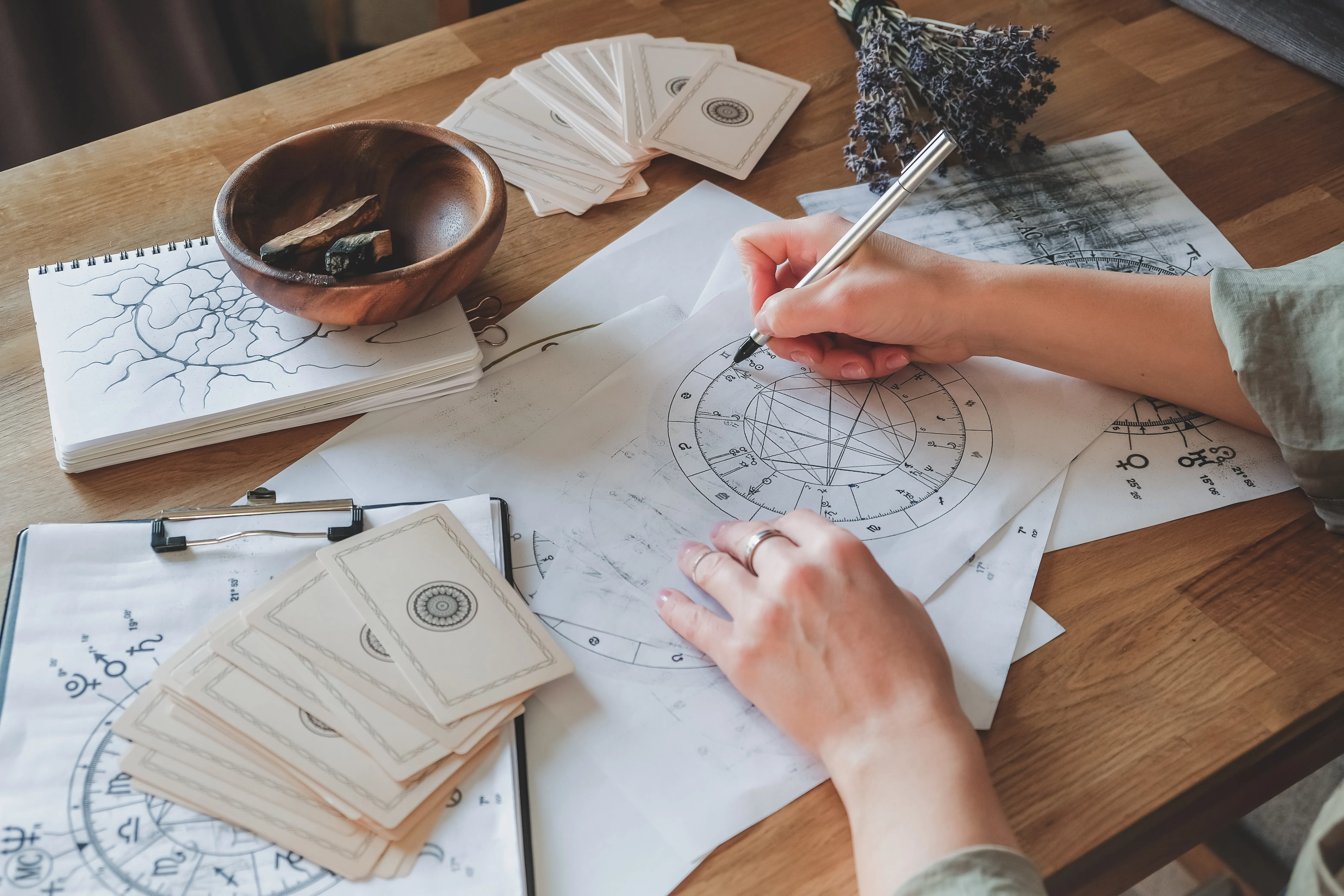
Astrology and wellness apps in 2026 sit at a useful crossroads: they help you plan rest, movement, and reflection using lunar phases, transits, and sometimes cycle or mood tracking—without pretending to replace medical or therapeutic care. This guide compares what to look for, how different types of apps approach the overlap, and how to choose one that fits your routine and privacy expectations.
Quick take: The best astrology-and-wellness option is the one you’ll actually use for at least two weeks. Prioritize clear phase-based suggestions, transparent privacy and data export, and a tone that supports rather than shames. Use this page to narrow by goal—cycle tracking, mood and energy, or lunar-aware planning—then try one app before stacking more.
---
What We Mean by “Astrology + Wellness” in 2026
These apps typically do one or more of the following:
- Lunar-aware planning: Organize your week by moon phases (new, waxing, full, waning) and suggest when to initiate, push, or rest.
- Mood and energy cues: Tie daily prompts or simple “energy” signals to transits and moon phase so you can plan high-focus vs recovery days.
- Cycle + astrology: Log cycle, sleep, or symptoms and get phase-based or transit-aware suggestions (rest, intensity, social time).
- Reflection and journaling: Combine astrology with prompts, voice notes, or check-ins so you can look back and see patterns.
None of this is medical advice. The value is in structure, self-awareness, and timing—not in replacing a doctor or therapist.
---
What to Look For (Criteria That Matter)
| Priority | What to check |
|---|---|
| Clarity | Does the app explain why it suggests something (e.g. “waning moon—good for editing”) or just give a verdict? |
| Privacy | Can you export and delete your data? Is health data separated from social or marketing? |
| Consistency | Can you build a habit? Look for a simple daily view and reminders you can tune. |
| Lunar/transit context | Are moon phases and transits visible and explained, not hidden behind jargon? |
| Tone | Does it nudge and support, or shame you for missing a log? |
For a deeper dive on cycle tracking, privacy, and a 14-day adoption plan, see our outcomes and privacy guide. For moon phase basics, Understanding Moon Phases and Moon Phase Today are good starting points.
---
Types of Astrology + Wellness Apps You’ll See
Lunar-first planners
These organize time by moon phase and suggest activities to match: e.g. new-to-waxing for starting projects, waning for editing and rest. Best for people who already think in lunar cycles or want to. Some also tie in transits for “today’s energy” context.
Symptom and cycle trackers with astrology
You log mood, cycle, sleep, or symptoms and get phase-aware or transit-aware suggestions (when to push vs when to ease off). Best if you want one place for health logging plus cosmic context. Always check privacy and export/delete before logging sensitive data.
Mood and energy “forecast” apps
They give you a daily signal (e.g. focus, social, rest) tied to your chart and transits. The best ones explain the reasoning (e.g. “Moon trine Mercury—good for communication”) so you can plan your day. For more on what makes these useful, see Best Astrology Apps for Daily Mood and Energy.
Reflection and journaling with astrology
Prompts and voice or text journaling tied to your chart and the current moon phase. Less about “energy scores” and more about reflection and intention-setting. Lunar Guide fits here: a Spirit Guide tied to your natal chart, compatibility, and tarot, plus AI-supported daily guidance, voice journaling, and lunar-aware prompts—rather than medical-grade cycle or symptom tracking.
---
How to Choose One (Without Overwhelming Yourself)
1. Pick one primary goal: Cycle tracking, mood/energy planning, or lunar-aware reflection. Don’t try to cover everything in one app. 2. Check privacy first: Export/delete, encryption claims, and minimal third-party sharing. See our privacy and outcomes guide for a checklist. 3. Use it for 14 days: One full lunar cycle (or two weeks) is a fair test. Consistency beats feature count. 4. Add complexity only if the basics stick: If you’re not opening the app after a week, switch to a simpler option before adding another tool.
---
Where Lunar Guide Fits
Lunar Guide is an astrology app with a strong wellness angle: the Spirit Guide is tied to your natal chart, compatibility, and tarot, and daily guidance, conversation, and voice journaling are all tied to your birth chart and the current moon phase. It does not do medical-grade cycle or symptom tracking. It’s best as a companion for:
- Lunar-aware timing (when to set intentions, when to rest)
- Reflective journaling and prompts
- Asking questions about your chart, transits, compatibility, and tarot
Many people use Lunar Guide alongside a dedicated cycle or health tracker: one app for logs, Lunar Guide for cosmic context and reflection. For a full comparison of general astrology apps (including Lunar Guide), see Best Astrology Apps in 2026.
---
Mapping Lunar Phases to Gentle Planning (Reference)
You don’t have to sync everything to the moon—but if you’re already tracking energy or cycle, this pattern often helps:
| Phase | Typical energy | Ideas |
|---|---|---|
| New moon | Seed, start | Easy mobility, intention-setting, light planning |
| Waxing | Build | Gradually increase intensity, technique, short efforts |
| Full moon | Peak or release | Celebrate or release; avoid forcing peak performance |
| Waning | Integrate, rest | Deload, stretch, declutter, reflect |
For more detail, see Understanding Moon Phases and Moon Phase Today.
---
Bottom Line
The best astrology and wellness app in 2026 is the one that gives you clear phase and transit context, respects your privacy, and fits a habit you can sustain. Start with one primary use case—cycle, mood/energy, or reflection—and one app. Use it for two weeks; then add or switch based on what actually helps. For lunar-aware guidance and voice journaling without medical tracking, Lunar Guide is built for that niche; for a broader app comparison, see Best Astrology Apps in 2026.