The Phase Nobody Talks About
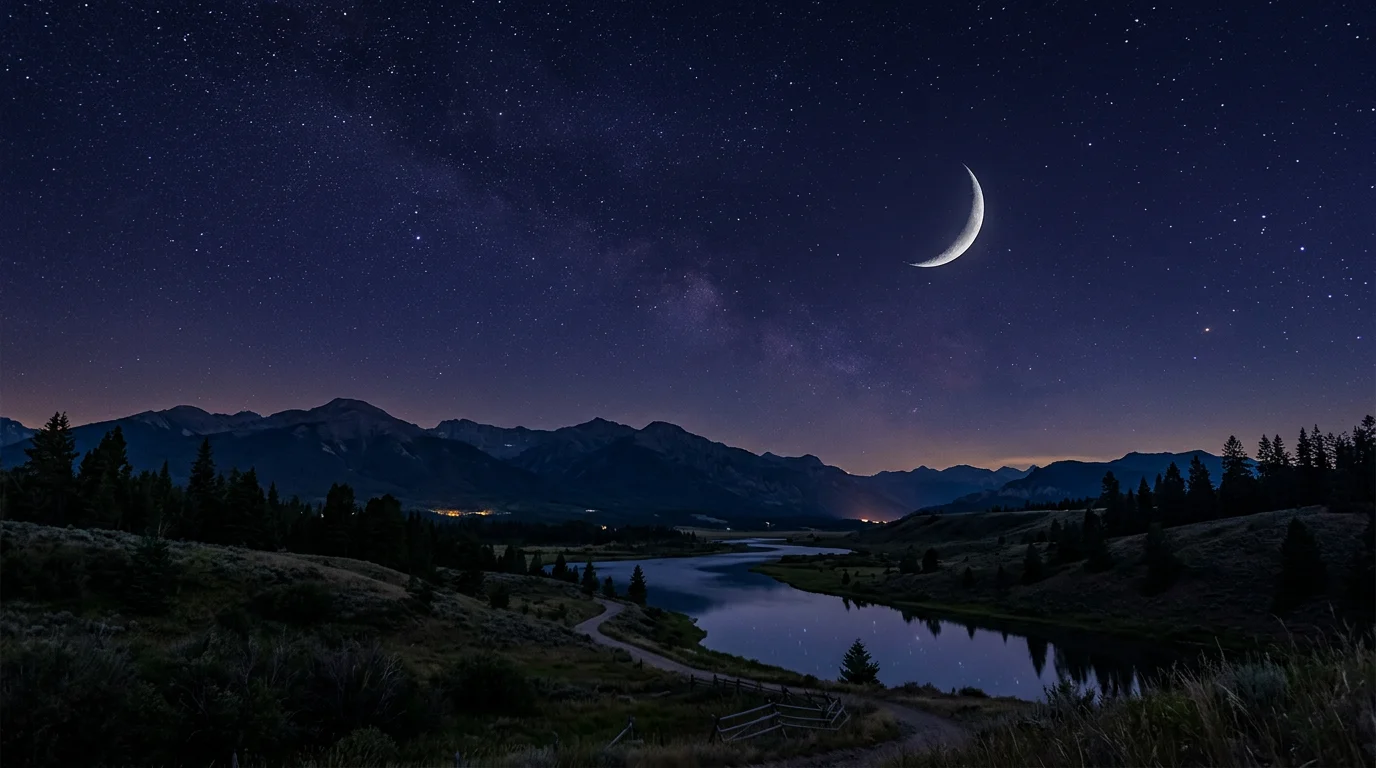
We hear a lot about the new moon (fresh starts) and the full moon (release and peak energy). The waning moon—the two weeks when the moon shrinks from full back to new—gets less press. And that’s exactly why it’s the most underused phase for real rest and burnout recovery.
The waning moon doesn’t reward doing more. It rewards doing less. If you’ve been pushing through on waxing and full moon energy, this is the phase when your body and nervous system are designed to wind down, let go, and restore.
What the Waning Moon Actually Does
Astrologically, the waning phase is about release, completion, and surrender. The moon’s light is literally decreasing. In many traditions, this is the time for:
- Finishing projects rather than starting new ones
- Clearing out what no longer serves you
- Rest, reflection, and consolidation
- Saying no so you can say yes to recovery
When you fight this phase—stacking meetings, launching initiatives, and skipping sleep—you’re working against the tide. When you align with it, burnout recovery time becomes something you schedule with the sky, not against it.
Waning Moon by Week: A Rest-Oriented Map
Breaking the waning phase into two halves helps you plan rest without guilt.
Week 1 (Full Moon to Last Quarter): Active Release
Energy: Still relatively high, but turning inward. Good for finishing things and releasing what’s done.
Rest strategy:
- Wind down evening routines; aim for earlier bedtimes
- Cancel one nonessential commitment
- Use full moon release rituals in the first 2–3 days, then shift to gentler release (journaling, decluttering one drawer, one difficult conversation you’ve been avoiding)
- Avoid starting new projects or intense training
Recovery focus: Letting go of the week’s mental and emotional clutter so your nervous system can downshift.
Week 2 (Last Quarter to New Moon): Deep Rest
Energy: Lowest of the lunar month. The moon is a sliver; the sky is dark. This is the true recovery window.
Rest strategy:
- Protect unscheduled time. One full afternoon or day with no agenda is ideal
- Favor yin yoga, gentle walks, baths, and sleep over high-intensity anything
- Use this phase for medical check-ups, therapy, or bodywork—your system is more receptive to healing
- Reduce screen time and input; this is when “doing nothing” is actually doing something
Recovery focus: Physical and emotional restoration. This is when burnout recovery time is most effective if you actually rest.
Zodiac and Recovery Style During the Waning Moon
Your moon sign shapes how you rest. Matching your recovery to your lunar sign makes it stick.
| Moon Sign | What Rest Looks Like for You |
|---|---|
| Fire (Aries, Leo, Sagittarius) | Short, intentional rest beats long forced stillness. A 20-minute walk, one creative project with no deadline, or a day trip with no plan. |
| Earth (Taurus, Virgo, Capricorn) | Sensory rest: good food, a clean space, a massage or bath. Rest that feels tangible and “productive” in a body sense. |
| Air (Gemini, Libra, Aquarius) | Mental rest. Unplug from news and socials, one deep conversation with a safe person, or a puzzle or book with no performance attached. |
| Water (Cancer, Scorpio, Pisces) | Emotional rest. Solitude, water (bath, ocean, lake), journaling, or art. Boundaries are essential—say no to extra socializing. |
Use the current moon sign (check any moon phase or astrology app) to fine-tune. When the moon is in a water sign, everyone benefits from a little more emotional space. When it’s in earth, body-based rest (sleep, food, touch) is especially restorative.
Three Simple Waning Moon Rituals for Recovery
You don’t need a full ceremony. These are minimal and repeatable.
1. The One-Thing Release (5 minutes)
At the start of the waning phase, write down one thing you’re willing to release this cycle: a commitment, a belief, a grudge, or a habit. Say it out loud or burn the paper (safely). Then don’t pick it back up.
2. The Rest Appointment (Calendar It)
Block one 2–4 hour slot in the second half of the waning moon (last quarter to new). Label it “Rest” or “Recovery.” No agenda—sleep, walk, bath, or stare out the window. Protect it like a meeting.
3. The Wind-Down Week
For one waning cycle, move bedtime 15–30 minutes earlier every night during the second week. Notice how you feel by the new moon. Often, sleep is the most underrated recovery tool there is.
When Lunar Rest Isn’t Enough
Waning moon rest supports burnout recovery and nervous system reset—but it doesn’t replace professional care. If you’ve been exhausted for months, can’t sleep despite earlier bedtimes, or feel hopeless rather than just tired, reach out to a doctor or therapist. Use the waning phase to schedule that appointment or to protect the energy for the conversation. Cosmic timing can make rest more effective; it doesn’t substitute for medical or mental health support when you need it.
Why This Isn’t Self-Indulgence
Rest during the waning moon isn’t lazy. It’s cyclical. The same cultures that gave us “work hard” also designed festivals, fasts, and retreats around lunar phases. They knew that constant output without a down phase leads to collapse.
If you’re in burnout recovery, the waning moon is your ally. It gives you a repeatable, predictable window each month when the cosmos is literally aligned with slowing down. Use it.
---