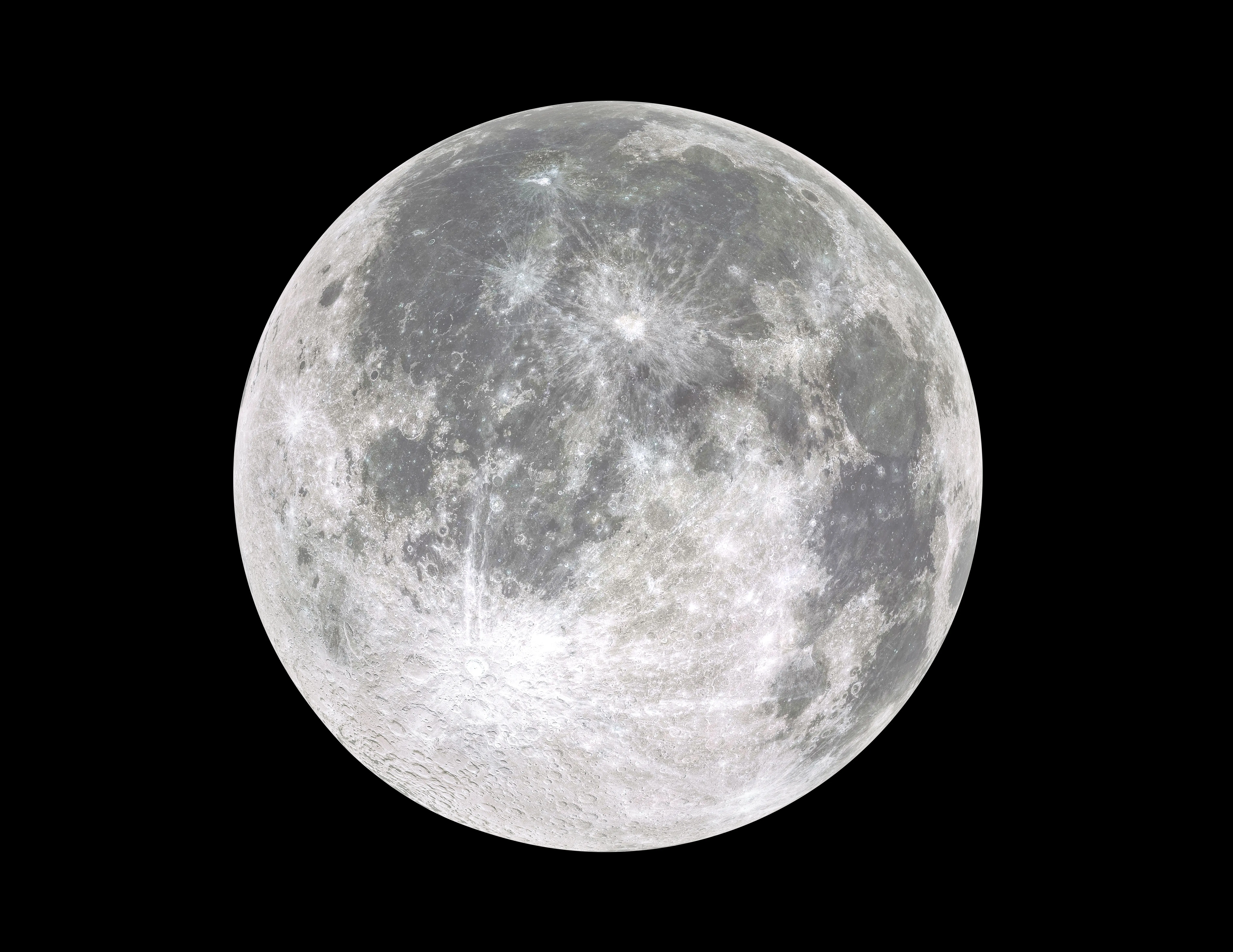
The universe operates in rhythms—lunar cycles, planetary movements, solar patterns. When you align your meditation practice with these cosmic rhythms, you're not just sitting in silence; you're surfing energetic waves that amplify your practice.
No, you don't need to become an astrology expert. But knowing when certain energies peak can help you choose: Do I need grounding today? Clarity? Creative insight? And which cosmic window supports that best?
Why Astrological Timing Matters for Meditation
Think of astrological timing as matching your internal work to external support. Just as you wouldn't plant seeds in frozen ground, certain meditations work better at certain times:
- Moon phases influence emotional receptivity and release
- Planetary hours govern specific energies (focus, creativity, healing)
- Zodiac transits color the quality of consciousness available
- Your personal birth chart shows your unique receptivity patterns
This isn't superstition—it's synchronization. And synchronization makes everything easier.
The Quick Guide: Best Times by Intention
Before we dive deep, here's your cheat sheet:
| Meditation Goal | Best Time | Why It Works |
|---|---|---|
| New beginnings, intention-setting | New Moon, Dawn | Fresh energy, new cycle |
| Release, letting go | Full Moon, Dusk | Culmination, completion |
| Deep intuition, psychic work | Moon in Pisces/Cancer, Nighttime | Emotional water energy, subconscious access |
| Clarity and focus | Moon in Virgo/Capricorn, Mercury Hour | Practical earth energy, mental sharpness |
| Creative visualization | Moon in Leo/Sagittarius, Venus Hour | Fire energy, inspiration |
| Healing and compassion | Moon in Cancer/Pisces, Jupiter Hour | Nurturing water energy, expansion |
| Grounding and stability | Moon in Taurus/Capricorn, Saturn Hour | Earth energy, structure |
| Energy and motivation | Mars Hour, Morning | Action planet, peak alertness |
Meditation Timing by Moon Phase
The moon's 29.5-day cycle is your primary meditation timer. Each phase offers distinct energetic support.
New Moon (Days 0-3): Planting Seeds
Energy: Fresh starts, intention, potential, void space
Best for:
- Setting meditation intentions for the cycle
- Manifestation visualizations
- Future self-meditations
- Beginner practices (starting fresh)
Recommended practices:
- 5-minute intention meditation: Sit quietly, clarify 1-3 intentions, visualize them as seeds planted in dark soil
- Breathwork for clarity: Box breathing (4 counts in, 4 hold, 4 out, 4 hold) x 10 rounds
- Body scan: Notice what wants to shift this cycle
Timing tip: Meditate within 48 hours of the new moon (check our moon phase tool).
Waxing Crescent to First Quarter (Days 3-7): Building Momentum
Energy: Growth, action, expansion, building
Best for:
- Energy-building practices
- Confidence meditations
- Discipline development
- Active visualizations
Recommended practices:
- Morning movement meditation: Combine gentle yoga with breath awareness
- Mantra meditation: Repeat an empowering phrase (e.g., "I am capable and growing")
- Chakra activation: Focus on lower chakras (root, sacral, solar plexus) for grounded energy
Timing tip: Meditate in the morning when momentum energy is strongest.
Waxing Gibbous (Days 8-13): Refinement
Energy: Adjustment, problem-solving, preparation
Best for:
- Analytical meditations
- Obstacle-clearing visualizations
- Mental clarity practices
- Planning meditations
Recommended practices:
- Mindfulness meditation: Observe thoughts without judgment—notice what's in the way
- Walking meditation: Move slowly, integrate insights from the cycle
- Journaling + meditation combo: Write for 5 minutes, then sit for 10
Timing tip: Late morning or early afternoon aligns with this "refining" energy.
Full Moon (Days 14-16): Peak and Release
Energy: Culmination, illumination, emotional intensity, release
Best for:
- Release meditations
- Gratitude practices
- Shadow work
- Deep emotional processing
- Heightened intuition work
Recommended practices:
- Full Moon release ritual: Write what you're releasing, meditate while holding the paper, then safely burn or tear it
- Loving-kindness meditation (Metta): Send compassion to yourself and others
- Moon gazing meditation: Sit outside (weather permitting), gaze softly at the moon, breathe
Timing tip: Meditate at night when the moon is visible. Full moon energy extends 3 days (1 before, day of, 1 after).
Waning Gibbous to Last Quarter (Days 17-23): Gratitude and Integration
Energy: Reflection, gratitude, wisdom, integration
Best for:
- Gratitude meditations
- Integration practices
- Wisdom-seeking
- Gentle introspection
Recommended practices:
- Gratitude meditation: List 5-10 things you're grateful for, feel each one in your body
- Body appreciation meditation: Thank each body part for its work
- Reflective journaling: "What did this cycle teach me?"
Timing tip: Evening practice supports this reflective energy.
Waning Crescent (Days 24-29): Rest and Surrender
Energy: Surrender, rest, emptying, preparation for new cycle
Best for:
- Rest and restorative practices
- Surrender meditations
- Deep sleep preparation
- Letting go of control
Recommended practices:
- Yoga Nidra: Guided deep relaxation (look for 20-30 minute recordings)
- Breath counting: Simple, soothing, no agenda
- Silence meditation: Just be. No technique, no goal.
Timing tip: Before bed, or whenever you need deep rest.
Meditation Timing by Planetary Hours
Each day is divided into planetary hours (not clock hours—these vary by sunrise/sunset). Each hour is ruled by a planet that governs specific energies.
You don't need to calculate these perfectly—just knowing the general influence helps you choose your meditation time intentionally.
Sun Hour: Vitality and Leadership
Energy: Confidence, vitality, success, clarity, life force
Best for:
- Confidence-building meditations
- Leadership visualization
- Solar plexus chakra work
- Assertiveness practices
Approximate timing: Generally the first hour after sunrise
Meditation idea: Visualize yourself as radiant and capable, golden light filling your solar plexus.
Moon Hour: Intuition and Emotion
Energy: Intuition, dreams, emotions, receptivity, subconscious
Best for:
- Intuitive development
- Emotional healing
- Dream work
- Psychic opening
Approximate timing: Varies; often connected to evening or night
Meditation idea: Sit in dim light, focus on your third eye, ask for intuitive guidance.
Mercury Hour: Communication and Learning
Energy: Mental clarity, communication, learning, analysis
Best for:
- Focus meditations
- Studying spiritual texts
- Mental clarity work
- Throat chakra activation
Approximate timing: Mid-morning (often)
Meditation idea: Mindfulness of thoughts—observe without engaging, sharpen mental awareness.
Venus Hour: Love and Harmony
Energy: Love, beauty, harmony, pleasure, creativity
Best for:
- Loving-kindness meditation
- Heart chakra opening
- Self-love practices
- Creative visualization
Approximate timing: Often morning or late afternoon
Meditation idea: Place hand on heart, breathe love into your chest, extend it outward.
Mars Hour: Energy and Action
Energy: Courage, action, willpower, physical energy
Best for:
- Energy-building practices
- Overcoming fear meditations
- Warrior/strength visualizations
- Physical discipline
Approximate timing: Early morning or midday
Meditation idea: Breath of fire (rapid belly breathing) or power stances with breathwork.
Jupiter Hour: Expansion and Wisdom
Energy: Growth, wisdom, optimism, abundance, spiritual expansion
Best for:
- Manifestation meditations
- Gratitude practices
- Spiritual study
- Abundance visualization
Approximate timing: Varies (use planetary hour calculator if you want precision)
Meditation idea: Expansive breathing—inhale abundance, exhale gratitude.
Saturn Hour: Discipline and Structure
Energy: Discipline, structure, grounding, karmic work, boundaries
Best for:
- Grounding meditations
- Root chakra work
- Discipline-building
- Shadow integration
Approximate timing: Often early morning or late evening
Meditation idea: Body scan for grounding, visualize roots growing from your body into earth.
Tool: Search "planetary hours calculator" online—enter your location and it calculates the day's planetary hours for you.
Meditation Timing by Moon Sign (Transit)
As the moon moves through the zodiac (changing signs every 2-3 days), it colors the emotional and energetic atmosphere. You can check the current moon sign using astrology apps or websites.
Moon in Fire Signs (Aries, Leo, Sagittarius)
Energy: Passion, inspiration, confidence, action
Best meditations:
- Dynamic meditations (movement-based)
- Visualization for goals and desires
- Confidence-building practices
- Kundalini breathwork
Avoid: Long passive sits (energy is too active—you'll get fidgety)
Moon in Earth Signs (Taurus, Virgo, Capricorn)
Energy: Grounding, stability, practical focus, embodiment
Best meditations:
- Body scans and somatic practices
- Grounding meditations
- Mindfulness (present-moment awareness)
- Routine-building practices
Avoid: Abstract spiritual work (energy is too practical and wants tangible results)
Moon in Air Signs (Gemini, Libra, Aquarius)
Energy: Mental clarity, communication, social awareness, ideas
Best meditations:
- Mindfulness of thoughts
- Mantra meditation
- Breath-focused practices
- Insight meditation (Vipassana)
Avoid: Highly emotional processing (energy is too mental—may become overthinking)
Moon in Water Signs (Cancer, Scorpio, Pisces)
Energy: Emotion, intuition, depth, psychic sensitivity, healing
Best meditations:
- Emotional release work
- Intuitive development
- Shadow work
- Compassion practices (Metta)
- Psychic opening meditations
Avoid: Logic-heavy practices (emotional energy wants to feel, not analyze)
Your Personal Birth Chart and Meditation Timing
Your birth chart shows your unique energetic blueprint—including when you're naturally most receptive to meditation.
Check Your Moon Sign
Your natal moon sign reveals your emotional nature and optimal meditation style:
- Fire Moon (Aries, Leo, Sagittarius): You need active, dynamic practices. Best times: morning, Mars hours
- Earth Moon (Taurus, Virgo, Capricorn): You need grounding, embodied practices. Best times: early morning or evening, Saturn hours
- Air Moon (Gemini, Libra, Aquarius): You need mental focus practices. Best times: mid-morning, Mercury hours
- Water Moon (Cancer, Scorpio, Pisces): You need emotional/intuitive practices. Best times: evening or night, Moon hours
Check Your 12th House
The 12th house in your birth chart governs spirituality, meditation, and transcendence. The sign on your 12th house cusp and any planets there show your meditation strengths:
- Planets in 12th house: You're naturally inclined toward spiritual practices—meditation comes easier to you
- 12th house in Fire signs: Active spiritual practices, visualizations, kundalini
- 12th house in Earth signs: Body-based practices, grounding, walking meditation
- 12th house in Air signs: Mindfulness, breath focus, intellectual spiritual study
- 12th house in Water signs: Emotional healing, intuitive development, mystical practices
How to find this: Use a free birth chart calculator (astro.com, Cafe Astrology, or our tool at Lunar Guide birth chart).
Check Your Neptune and Jupiter Placements
- Neptune: Your connection to the transcendent, mystical, and formless
- Jupiter: Your capacity for spiritual expansion and wisdom
Strong Neptune (prominent by placement or aspect): You may have natural psychic sensitivity—best meditation times are during Pisces transits or Neptune hours.
Strong Jupiter (prominent or well-aspected): You benefit from expansive practices like gratitude, abundance visualization—best times are during Jupiter hours or Sagittarius transits.
The Daily Rhythm: Solar Timing
Beyond astrology, your body's natural circadian rhythm matters:
Dawn (Brahma Muhurta in Vedic tradition)
Time: 1.5-2 hours before sunrise
Why it's powerful:
- The world is quiet (fewer distractions)
- Your mind is still fresh and unburdened
- Energetically, it's a transition between night and day (liminal space is powerful)
Best for: Deep spiritual practice, mantra meditation, intention-setting
Morning (After Sunrise)
Time: Within 2 hours of waking
Why it's powerful:
- Your willpower and discipline are strongest
- You haven't yet absorbed the day's stress
- You set the tone for the entire day
Best for: Consistency-building, active practices, confidence work
Midday
Time: Solar noon (when the sun is highest)
Why it's powerful:
- Peak alertness and mental clarity
- Solar energy is strongest
- Good for short resets
Best for: 5-10 minute resets, mindfulness breaks, walking meditation
Sunset (Dusk)
Time: Within 1 hour of sunset
Why it's powerful:
- Another liminal threshold (day becoming night)
- Transition energy supports release
- Natural beauty aids focus
Best for: Gratitude practices, release meditations, reflective sitting
Night
Time: After dark, before bed
Why it's powerful:
- Quiet and stillness
- Access to subconscious and dream states
- Natural winding down
Best for: Gentle practices, yoga nidra, intuitive development, sleep preparation
Avoid: Stimulating practices (energizing breathwork, intense visualization) unless you want to stay awake.
Eclipse Seasons: Special Considerations
Eclipses (solar and lunar) are intense energetic portals—powerful but unstable.
Meditation during eclipses:
- Do: Observe, witness, stay present
- Do: Release work (especially during lunar eclipses)
- Don't: Set major intentions (wait until after the eclipse)
- Don't: Force outcomes or push hard
Why: Eclipse energy is wildly transformative but unpredictable. It's better for letting go than creating.
Timing tip: Meditate during the eclipse window (the hours when it's visible in your area) for maximum effect.
Check our eclipse calendar to track upcoming dates.
Mercury Retrograde: Meditation Adjustments
Mercury retrograde (3-4 times per year) brings mental fog, miscommunication, and tech glitches—but it's excellent for introspective meditation.
Best practices during retrograde:
- Reflective meditation: Review the past, integrate lessons
- Journaling + meditation: Process what's been unresolved
- Tech-free meditation: No apps or recordings (embrace simplicity)
- Repeat familiar practices: Not the time to learn new techniques
Avoid:
- Starting entirely new meditation routines
- Overly complex techniques requiring precision
- Heavy reliance on meditation apps (they might glitch)
Timing tip: Use retrograde as a 3-week deepening period for existing practices.
Check our Mercury Retrograde calendar for dates.
Combining Multiple Factors: The Cosmic Sweet Spot
Ideal meditation timing combines several factors:
Example 1: Intention-Setting Meditation
- Moon phase: New Moon ✓
- Time of day: Dawn ✓
- Moon sign: Fire or Earth (action-oriented) ✓
- Planetary hour: Sun or Jupiter hour ✓
Example 2: Release and Healing Meditation
- Moon phase: Full Moon ✓
- Time of day: Dusk or Night ✓
- Moon sign: Water sign (emotional access) ✓
- Planetary hour: Moon hour ✓
Example 3: Clarity and Focus Meditation
- Moon phase: First Quarter or Waxing Gibbous ✓
- Time of day: Morning ✓
- Moon sign: Air or Earth sign ✓
- Planetary hour: Mercury hour ✓
You don't need perfection—even matching 2-3 factors amplifies your practice significantly.
Building Your Personal Meditation Schedule
Weekly Template (Adjust Based on Moon Phase)
Monday (Moon's day):
- Focus: Emotional check-in, intuition
- Practice: Body scan + emotional awareness
- Time: Evening
Tuesday (Mars' day):
- Focus: Energy and courage
- Practice: Breath of fire or power visualization
- Time: Morning
Wednesday (Mercury's day):
- Focus: Mental clarity
- Practice: Mindfulness or insight meditation
- Time: Mid-morning
Thursday (Jupiter's day):
- Focus: Gratitude and expansion
- Practice: Gratitude meditation or mantra
- Time: Morning or afternoon
Friday (Venus' day):
- Focus: Love and creativity
- Practice: Loving-kindness or creative visualization
- Time: Afternoon
Saturday (Saturn's day):
- Focus: Discipline and grounding
- Practice: Grounding meditation or longer sit
- Time: Early morning
Sunday (Sun's day):
- Focus: Vitality and self-expression
- Practice: Solar plexus work or confidence meditation
- Time: Dawn or morning
Monthly Template (Following Moon Cycle)
Days 0-3 (New Moon): Set meditation intentions for the cycle Days 4-13 (Waxing): Active, building practices Days 14-16 (Full Moon): Release and gratitude Days 17-29 (Waning): Integration, rest, surrender
Review at month's end: What worked? What shifted? Adjust next cycle accordingly.
When NOT to Meditate (Rare but Real)
Sometimes, the best meditation is no meditation:
- When you're in crisis: Address immediate needs first (safety, food, sleep)
- When you're using it to avoid: If meditation becomes escapism from necessary action
- When you're forcing it: Rest might be the real need
- During extreme exhaustion: Sleep is more important
Spirituality includes discernment: Sometimes the cosmic timing is "not right now."
Tools to Track Astrological Timing
Essential:
- Lunar Guide Moon Phase Tool - Daily moon phase and sign
- Any astrology app (Co-Star, The Pattern, Time Passages) - Current transits
- Free birth chart (astro.com or Cafe Astrology) - Your personal placements
Optional but helpful:
- Planetary hours calculator (search online)
- Lunar calendar (we have one at Lunar Guide Calendar)
- Moon sign app or widget
You don't need to track everything—start with moon phase and time of day. Add complexity as you get curious.
Common Questions
Do I have to meditate at the "perfect" time to see benefits? Absolutely not. Any meditation is beneficial. Astrological timing just enhances what's already working.
What if the "best" time doesn't fit my schedule? Consistency beats cosmic perfection. Meditate when you can consistently show up—that's your personal best time.
Can I meditate during "bad" transits or moon phases? Yes. There are no bad times—just different energies. Adjust your practice to the available energy.
How do I know if astrological timing is actually working for me? Track your practice for 3 moon cycles. Notice: Do certain phases feel easier? Do you get different results at different times? Your own experience is the best data.
I'm skeptical—does this actually matter? Test it! Try the same meditation practice at different moon phases or times of day. See if you notice differences. Your experience is the only truth that matters.
Conclusion: Meditation as Cosmic Conversation
You don't meditate in a vacuum. You're part of a living, breathing universe with rhythms, cycles, and patterns. When you sync your inner work with these outer rhythms, you stop swimming against the current.
You don't need to become an astrology expert. Just start noticing: How does your practice feel at the new moon versus the full moon? In the morning versus the evening? During Mercury retrograde versus direct motion?
The cosmos isn't dictating your practice—it's offering support. You choose whether to accept.
The best time to meditate is always right now. The optimal time to meditate might be in an hour, or tomorrow at dawn, or during the next new moon in your moon sign. Both are true.
Start where you are. Then watch for the cosmic invitations to go deeper.
---
Related Practices: Explore moon phase manifestation to align intentions with cosmic timing, or learn about chakra meditation techniques to deepen your practice. Check your daily horoscope for today's energetic forecast before you sit.
Explore your personal astrology in depth. Lunar Guide offers AI-powered birth chart insights and daily guidance tailored to your cosmic blueprint.